

Understanding local customs not only enriches your travel experience but also shows respect for the culture you’re stepping into. Sri Lanka is warm, welcoming, and friendly but like any country, it has its own etiquette every visitor should know.
First, Sri Lankans place great value on politeness. Greetings are often accompanied by a smile or a gentle nod. Using “please,” “thank you,” and “ayubowan” (a traditional greeting to say hi) goes a long way.
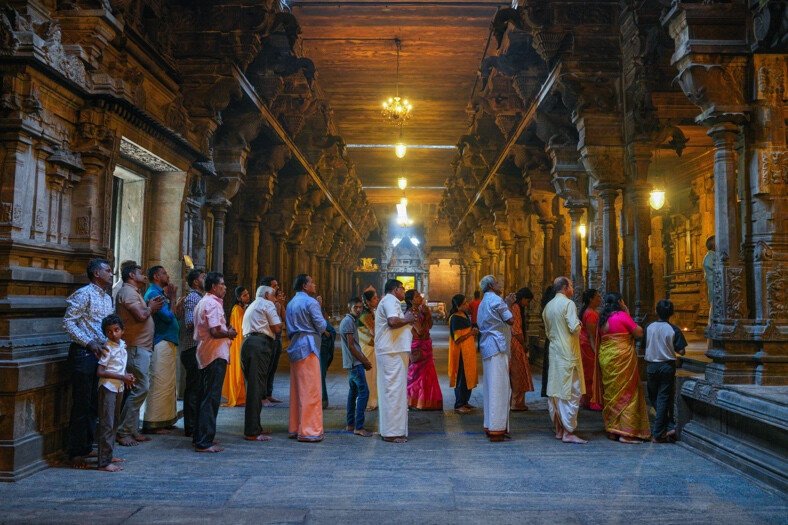
When visiting temples and religious sites, modest clothing is essential. Shoulders and knees should be covered, shoes must be removed, and taking photos with your back to a Buddha statue is considered disrespectful. Avoid touching monks, especially if you are a woman, and never hand something directly to a monk; place it on a table or offer it with both hands.
Public displays of affection are generally frowned upon, especially in rural areas. Holding hands is acceptable, but kissing or hugging in public may attract unwanted attention.
In homes, it’s customary to remove your shoes before entering. If offered tea or snacks, accepting them, even in small amounts, is considered polite.
Sri Lankans also value quiet respect. Avoid raising your voice, arguing loudly, or showing frustration in public places.
When taking photos of people, especially locals, ask for permission first; most will happily agree.
Tipping is appreciated but not mandatory; small tips for drivers, hotel staff, and guides are considered kind gestures.
Following these simple guidelines helps you connect more meaningfully with locals turning your trip into an experience filled with warmth, understanding, and genuine hospitality.